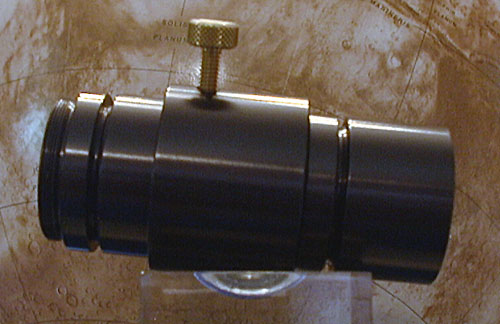
I read the article in the August S&T regarding atmospheric dispersion correction with prisms (at that time there was no mass produced version) and then the Nov. S&T comes out with the news of a retail product in the New Product Showcase section with AVA's new "Planetary Atmospheric Dispersion Corrector." I did a search of the forum but from what I can tell this hasn't been discussed here much. The article gave a pretty good description of "how and why" this works. I have only been at this about a year and a half so I thought I would put out a question to see if there is any interest in this thing by those of you who have been at this a while or if any discussion would generate. Are there differing opinions as to HOW MUCH improvement this will actually make for planetary viewing? Has anyone tried this by making their own and did it make a big difference? Is it worth the price(starting at $135 and up). I will spend most of my time with clusters and galaxies this winter but I'm really looking forward to viewing Jupiter and Saturn again when spring approaches and they come up earlier in the evening--- what do you think?
Lynn
Lynn
Attached Image:
