
Slow Down! It’s Time for ESA’s Hera Asteroid Mission to Hit the Brakes
Posted by Guy Pirro | 10/18/2026 04:51PM | Comments
Launched two years ago today, the European Space Agency’s Hera mission for planetary defense has been hurtling away from Earth ever since. The small-car-sized spacecraft is now preparing for its single most challenging activity since lift-off: the sustained braking maneuvers to slow it down to approach its target asteroids.
Read MoreLatest Articles & Telescope Reviews
Featured Classifieds
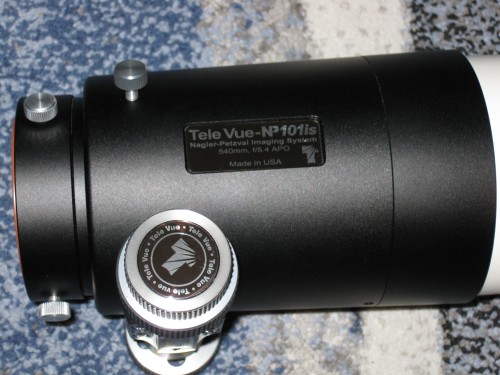
Tele Vue NP101is with ring set
Aurora, US
For Sale
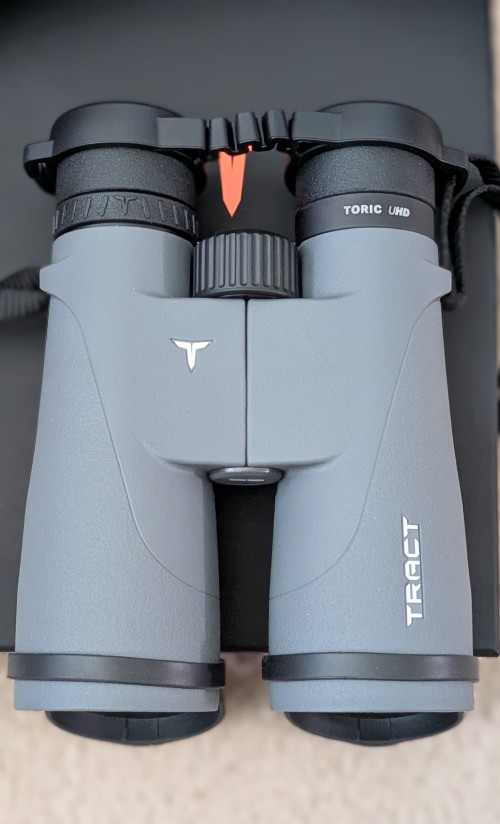
TRACT TORIC UHD SCHOTT HT 12.5x50 Binocular - Made in Japan
Annandale, US
For Sale
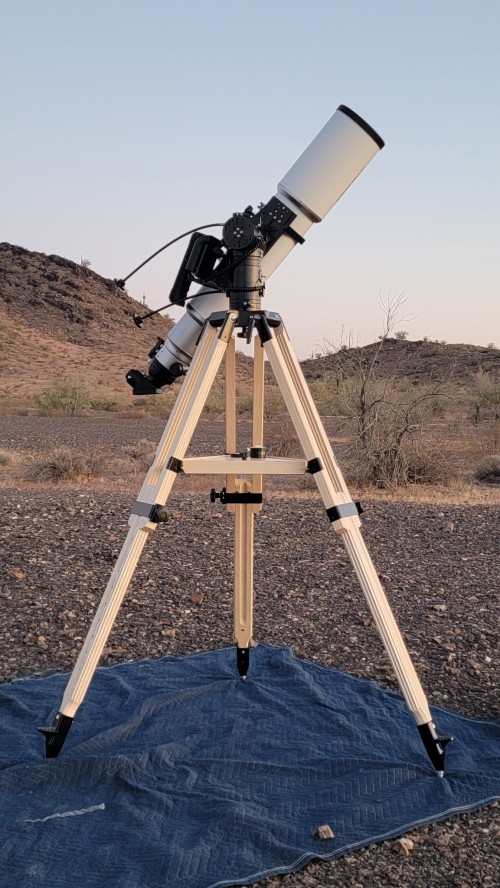
6 inch Refractor
Buckeye, US
For Sale
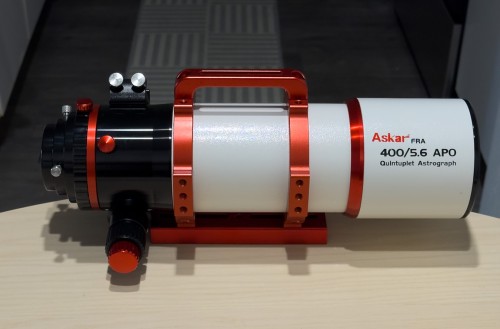
FRA400 f/5.6 + Hard Case
Salt Lake City, US
For Sale
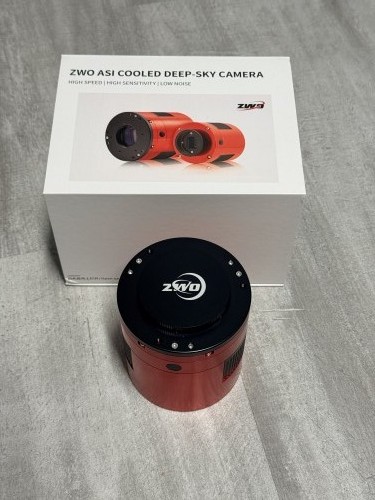
ZWO ASI2600 MC Pro - pre-2025
Louisville, US
For Sale
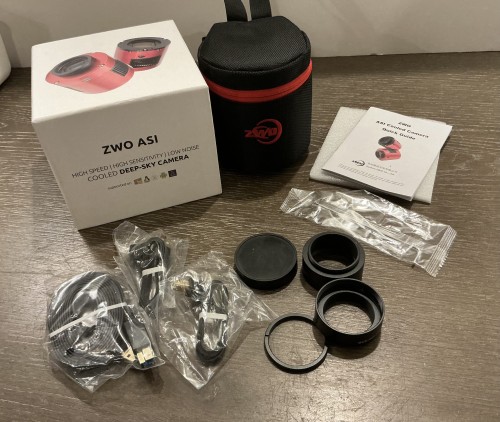
ZWO ASI6200MM Pro
Stanstead, CA
For Sale
Auction ending soon
Photo
Title
Seller
Expires On
Funding Member