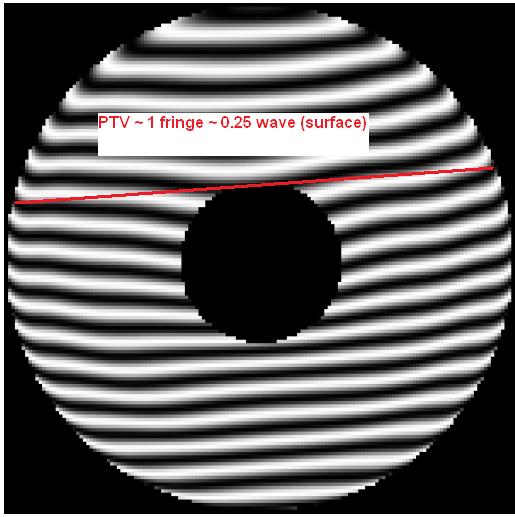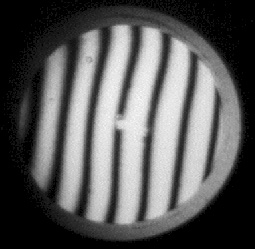

I feel a bit naked doing this but I thought I would put OMI's specs on the mirror I just purchased (used) up for review:
http://tinyurl.com/yele62q
The link takes you to a pdf of the report (or at least it should). This is a ten inch f/6. My take is there is some TDE but maybe not enough to bother worrying about. I have read it is difficult to eliminate. Club members who look at these things say they are puzzled by the number of lines in the interferometer report, that usually there are fewer lines.
The Strehl of .96 looks pretty good to me, I don't know what to make of the RMS and I don't know how to translate this into "wavefront error" etc.
I'm sure a lot of people here can read this in their sleep.
OMI puts all its mirror reports on the 'net which I think is a great commitment, helps prevent the kind of nonsense that Dick Nelson did with Optical Craftsmen back in the 60s (all of that is in two threads lower down).
I'm hopeful that this is a very very good mirror without necessarily being the peak of the peak. I bought it here on the 'mart and got a good price.
OMI has a good relationship with Obsession and is one of the more conspicuous names in the upper end market these days, I think possibly with higher output than some of the other zen masters. Some people may for that reason feel shy about posting a critical opinion, so PM me if you want to say something private. But as y'all may gather from my having posted the Optical Craftsmen Foucault, I'm pretty hang loose. Things are what they are.
regards
Greg N
"Scope will get you through times of no money better than money will get you through times of no scope." --Freewheelin' Franklin