Image of the day

Captured by
Yue Ma

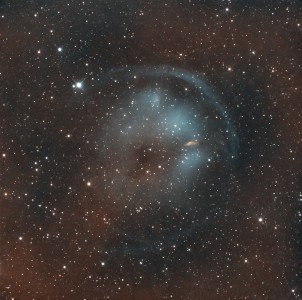
HFG-1

My Account

New to Astromart?

Register an account...

Need Help?

cleaning ep help

Started by fussellino, 10/10/2003 03:55PM
Posted 10/10/2003 03:55PM Opening Post
I was hoping some one could give me some advise on cleaning eps? I have a few that are a little dusty on the underside of the glass (especially my 30mm),I have a cleaning cloth from orion that I bought is that safe to use?
thx
Brian
Posted 10/10/2003 05:14PM #1
Cleaning EPs is a touchy subject but I will try to state my way.
I never use a cloth, I purchased special cloths from lens manufacturers and optical shops and they will still scratch the coatings on some EPs.
I use the Arkansas Observatories cleaning solution and methods.
First, use a lens cleaning bulb to blow off any dust that you can. A cammels hair brush can be used to help if needed. No hard brushing, just light strokes from center to edge. Then brush or blow off the dust.
The cleaner is put on a surgical cotton ball until it is wet but not dripping. This is dobbed on to the dirty lens without rubbing.
Then a white untreated Klenex is used to lightly wipe up the moisture. Do not rub, just let the Klenex soak up the fluid. Repeat as needed until clean. You can very lightly clean the edges of the lens if they don't want to come clean with the Klenex. If you don't use pressure it will not scratch the coatings. A light buffing of the glass with the Klenex after it is clean can be used to remove any streaks if they occur. Usually this solution is used with the rinse solution they also give the reciepe for on their site. If you use the rinse to remove sleaks it will work well. Use the same procedure for the rinse that you used for the cleaner.
Never use a cotton ball or a Klenex twice, discard them after each application.
I clean lots of EPs this way and the only ones that you have to be extra careful with are the Meade EPs. Their coating seem to be the softest of any I have had.
Clean you least expensive EP first so that you get a chance to try it out. If you happy with it then do the rest.
Another thing you can do is practice on an old pair of Binoculars. They are usually quite dirty and have large lenses. They will give you the experience on how to get the dirt and sleaks off without risking your EPs.
Hope this helps,
Floyd

[SIZE="Large"][/SIZE][COLOR="Blue"][/COLOR] Floyd Blue grin
Amateur Imager
Posted 10/10/2003 06:41PM #2
Brian, the safest method I've used is to apply the Zeiss cleaning fluid for muti-coated lenses. It comes in a small pump-spray bottle, costs about five bucks and is available from Astronomics or Anacortes. Simply spray it on and pad off the excess with a cotton ball. One bottle seems to last forever and it works quite well.
Posted 10/10/2003 07:07PM #3
Rubbing alcohol and a Q-tip. Cheap, fast, easy.

Disclaimer: my most expensive eyepiece is $50 so I'm a little less fussy than some might be on this front. But I have so far not done any detectable damage that I can see and I've used this method for years.
Posted 10/10/2003 07:22PM #4
Brian,

Floyd has some excellent recommendations.

Here's is my comment I posted under the Equipment Talk section in response to another posting:


Earlier in the year I acquired an older, out-of-production, premium 10mm eyepiece that had five dried condensation granules near the central location. I did extensive internet research on lens cleaning and discovered some of the biggest concerns about cleaning relate to fluid residue left on the lens, scratching the anti-reflective coating, over-flooding the lens so that moisture wicks down the inside of the barrel and recontamination of the lens. It is the wiping and rubbing that causes scratches.

The following is the procedure I use to clean my eyepieces:

1. use a bulb blower to remove loose dust.
2. use a very soft, extra-fine pointed sable watercolor paint brush to gently dislodge the more stubborn dust specks. Then use the blower again.
3. use another very soft, extra-fine pointed sable brush to apply a single drop of lens cleaning fluid onto a single granule and allow it to sit for a few minutes.
4. then use an optical cloth that is extremely absorbant to wick away the drop of fluid which contains the disolved granule. Discard wipe after one use!
5. move on to the next granule and remove them one by one

The cleaning fluid is "Formula MC" from Peca Products. Go to: http://www.pecaproducts.com

Information about Optiwipes can be found at:
http://www.mgchemicals.com/products/828.html

I can not comment about finger prints since I haven't tackled them yet.

I neglected to add that I use a 9X magnifier to inspect the EP before moving on to the next step. Then you can spot any problems that may crop up and thus, modify your actions. The Formula MC disolved the granules and left absolutely no residue on the lens after I used the Optiwipes to absorb the droplet. They are made by a company that manufactures high grade optics and are so highly absorbant I did not need to wipe the drop off. All I did was to touch a corner of the wipe to the spot and it sucked it up completely.

In terms of cleaning your brushes afterwards, I recommend using distilled water if the water from your tap has lots of contaminates or particulates in it. I would also recommend you start with your longer focal length EP first since any inadvertent damage will not be as critical as one in the 6 or less mm range.

Clear Skies,
Darlene


Posted 10/11/2003 12:50AM #5
I recently had a nut come loose in a SCT. I used a vacuum cleaner and a soda straw to get it out.

Later I noticed some debris in one of my lenses and since I had the vacuum soda straw setup ready I decided to give it a try. It worked like a champ. It is great for sucking dust and debris off of lenses.

You use masking tape to seal the soda straw to the end of the vacuum hose. I do not think a soda straw will ever scratch coatings but use care anyway. I found this works much better than your normal lens brush and for stuborn stuff it can be used after a good lens brushing.

Don Durbin
