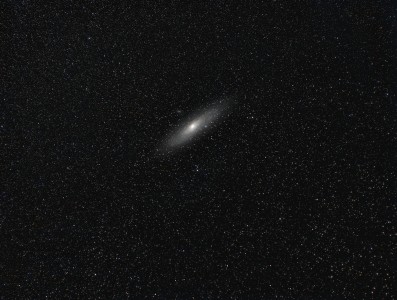
Small magellanic cloud has 47 tucannae globular cluster right next to it. This is the 2nd largest glob in the sky and if the best you have seen is M13 then you are in for a treat.
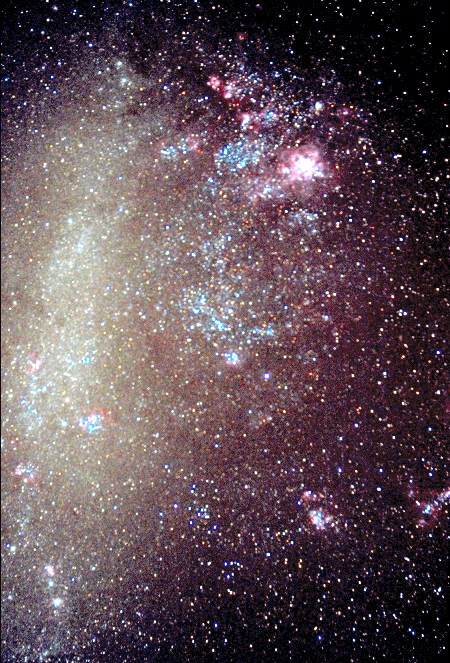
LMC has lots of small nebulas in it. The main feature is the Tarantula nebula. Chris Venter recently took a stunning shot of it. It really is a nice nebula and not many examples of it being imaged.
Both make great widefield shots for images. Your 80mm with a TV focal reducer would probably get most of the LMC.
Both are visible at a dark sky site as 2 patches of cloudlike haze. Quite noticeable at a dark site but missing in light polluted areas.
They don't have sprial arms, bars and are more an irregular shaped cloud of stars. There is a lot of nebula in the LMC. I have read in one of my books from memory there are 22 objects of interest in the SMC. With an 80mm you should be able to see the brighter ones at a dark site. Photo attached of the LMC with a William Optics 80/480 fluorite triplet and a TV .8X reducer/flattener, Nikon D70 (modified).
Eta Carina is now rising earlier and by midnight you will get a good look at that. It is the next best nebula after M42. Also don't miss Omega Centauri which is perhaps the most breathtaking of all. The 10 million star glob, largest in the Milky Way. Gobsmacking.
NGC 253 the Sculptor Galaxy is also visible in an 80mm as is Centauris A NGC 5128.
Greg.
Attached Image: