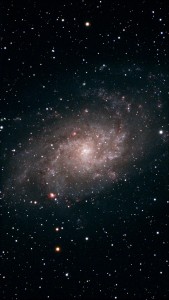

Moon & Mars
11" SCT
200 - 350x
While waiting for Mars to climb up out of the soup I spent some time on the 1-day-past-full Moon. I used a 50% neutral density filter to cut the glare a bit. Nothing really spectacular to note lunar-wise except for two items:
1. The double-crater Messier in Mare Fecunditatis immediately caught my eye as I scanned away from the terminator. The two parallel rays streaming from "Messier A" are prominent and obvious under full illumination and look like lunar skid marks. The north-south rays from crater "Messier" weren't as apparent but were seen easily.
2. Plato - Craterlet counting time again, and under full illumination 5 white spots or pits stood out nicely. I think they are more easily seen under these conditions as compared to when Plato is near the terminator (if you can stand the glare!).
Mars - 200 to 350x, medium orange filter used with 50% ND filter - Around midnight local time, when Mars had climbed up to around 30 degrees above the horizon I started my run. The seeing was a bit above average, shimmering a little but not boiling. The close proximity to the Moon didn't seem to have any negative effects in terms of contrast reduction or off-axis glare. The South Polar Cap looked sharp-edged, with a small notch to the east of the central meridian. The Mares Tyrrhenum, Cimmerium & Sirenum stood out well. In between these "seas" and the South Polar Cap were areas of lesser contrast (Ausonia, Cheronesis, Eridania, Mare Chronium) that came and went as the seeing fluctuated, occasionally sharpening up nicely during moments of better seeing.
There appeared to be a thin, white haze at the North Pole of Mars, or maybe it was a bit of the ice cap itself? I couldn't say for sure but something was definitely there.
A thin but thickening cloud layer began to roll in from the southeast and I continued to observe Mars until it was completely obscured. I was hoping to see an effect I've noticed when this occurs when observing Jupiter, whereby the overall contrast improves as the cloud layer dims the planet, but Mars simply got dimmer and dimmer with no overall improvement.
All in all, a very satisfactory night of observing from suburban Orange County, California.
Thanks,
Ed
11" SCT
200 - 350x
While waiting for Mars to climb up out of the soup I spent some time on the 1-day-past-full Moon. I used a 50% neutral density filter to cut the glare a bit. Nothing really spectacular to note lunar-wise except for two items:
1. The double-crater Messier in Mare Fecunditatis immediately caught my eye as I scanned away from the terminator. The two parallel rays streaming from "Messier A" are prominent and obvious under full illumination and look like lunar skid marks. The north-south rays from crater "Messier" weren't as apparent but were seen easily.
2. Plato - Craterlet counting time again, and under full illumination 5 white spots or pits stood out nicely. I think they are more easily seen under these conditions as compared to when Plato is near the terminator (if you can stand the glare!).
Mars - 200 to 350x, medium orange filter used with 50% ND filter - Around midnight local time, when Mars had climbed up to around 30 degrees above the horizon I started my run. The seeing was a bit above average, shimmering a little but not boiling. The close proximity to the Moon didn't seem to have any negative effects in terms of contrast reduction or off-axis glare. The South Polar Cap looked sharp-edged, with a small notch to the east of the central meridian. The Mares Tyrrhenum, Cimmerium & Sirenum stood out well. In between these "seas" and the South Polar Cap were areas of lesser contrast (Ausonia, Cheronesis, Eridania, Mare Chronium) that came and went as the seeing fluctuated, occasionally sharpening up nicely during moments of better seeing.
There appeared to be a thin, white haze at the North Pole of Mars, or maybe it was a bit of the ice cap itself? I couldn't say for sure but something was definitely there.
A thin but thickening cloud layer began to roll in from the southeast and I continued to observe Mars until it was completely obscured. I was hoping to see an effect I've noticed when this occurs when observing Jupiter, whereby the overall contrast improves as the cloud layer dims the planet, but Mars simply got dimmer and dimmer with no overall improvement.
All in all, a very satisfactory night of observing from suburban Orange County, California.
Thanks,
Ed
Ed Moran
Equipment Forum Moderator - Two of Five