Image of the day

Captured by
RICHARD COFER

Lunar Occultation of Jupiter (Egress)

My Account

New to Astromart?

Register an account...

Need Help?

M13 processing help wanted

Started by hakescl, 06/08/2005 04:37PM
Posted 06/08/2005 04:37PM Opening Post
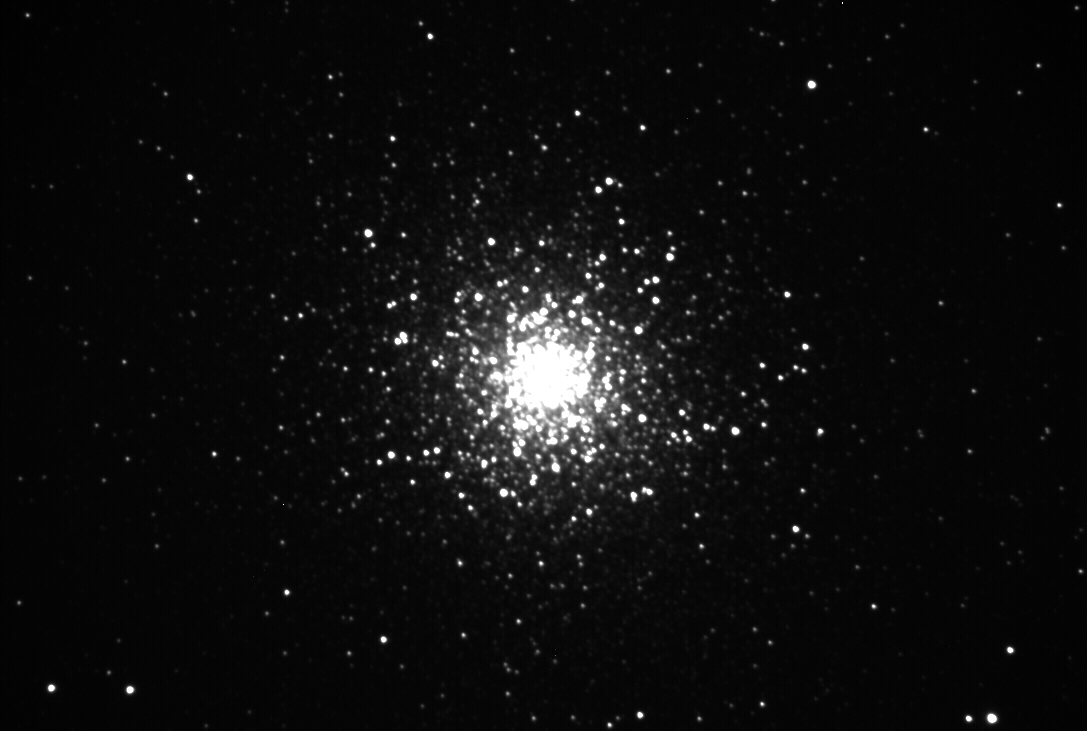
We finally go the ST-10 up and running. Since M13 appears to be a popular target this week it was one of the first tries with the new camera. (This looks like the worst M13 image I have seen this week, but since it is really our first image like this, and since I was the one sitting there getting cold, I still like it.) This shot was a “track and accumulate” of 10x30secs (300 seconds total) on a Meade 16” @ f6.3, with “medium” camera resolution. I used a dark frame frequency of “2”, (just trying different things) so I guess that takes one dark every other light. (I also took a color set one at a time, but there is a lot I want to try before I post that combination for questions.) Besides spending some more time focusing, what are some processing things I could do to help get our pictures looking better? Thanks for any help and comments.

Charlie

Attached Image:

hakescl's attachment for post 24793

Fort Lewis Observatory: (37.238, -108.052) ~2360m (7744 ft.) elevation.
Darkness - typically 6.5+
Scope - Meade 16" LX200; f6.3 focal reducer
Focus - JMI Smart focus
Camera - SBIG ST-10XE; (~.5"/pixel)
Guiding - AO-8 and/or Meade 5"/DSI/PHD
http://www.fortlewis.edu/observatory
Posted 06/08/2005 05:10PM #1
M13 is one of the most difficult objects to get right. The sharper your optics are, the duller it will look because the stars just get so small that they occupy a small fraction of the space and leave more and more dark sky behind. What gets most people to say WOW is to burn the core out and show the outer fainter stars. But this eliminates the interesting core detail.

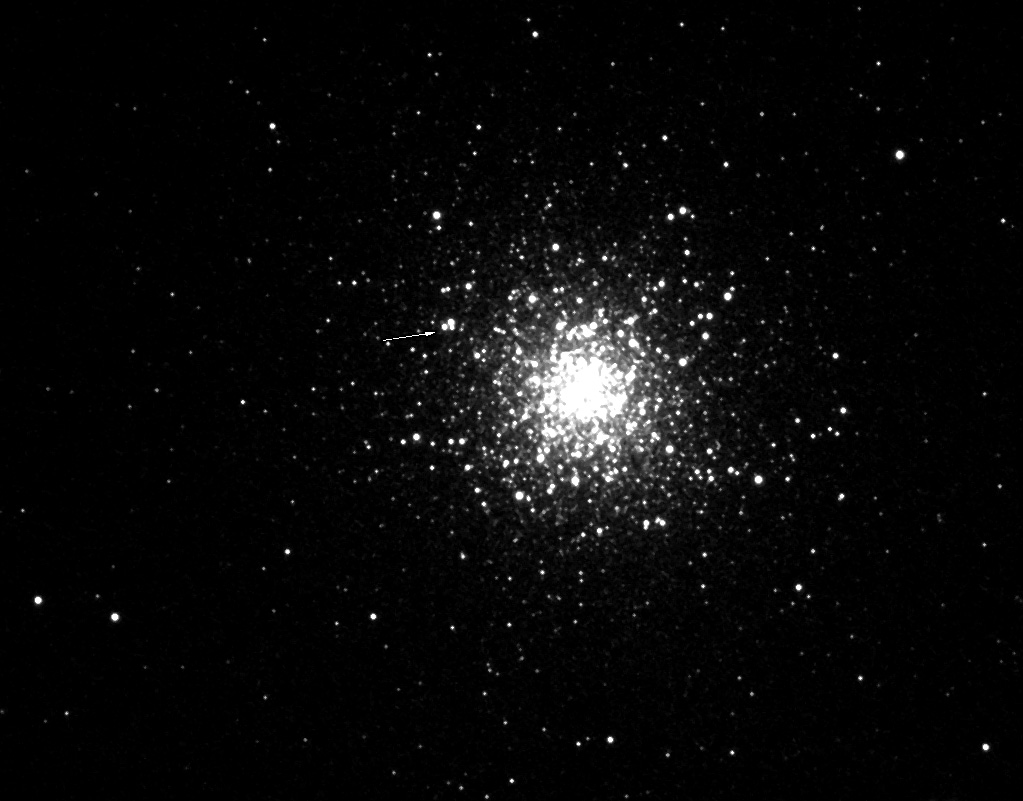
One way to bring out the outer stars without burning out the core is to use DDP in MaximDL. This processing step basically supresses the brightest stars and enhances the faint outer ones. The main advantage is that it prevents to a great degree the bloating of the brighter stars. Note "Mickey Mouse" in the two examples in the attached images.

Both images were taken with the 160F7.5 AP refractor and ST10XE camera. This first one is with normal processing. Note tyhe bloated looking stars.

Roland Christen

Attached Image:

RolandC's attachment for post 92880
Posted 06/08/2005 09:47PM | Edited 06/08/2005 09:47PM #2
hi,

First, try and advoid track and accumulate, it sums the images and burns out the core very quiclkly. Use 1 or 2 minute subexposures and median or sigma combine them in MaximDL. For DDP as a starting point use the automatic settings and then switch to manual and lower the the background point 10 to 30% and raise the midlevel 10 to 30 % as a starter. When you get it right you can then gamma stretch a bit more (.9 to .7 gamma ) to increase your dynamic range.

clear skies,

Larry Citro
