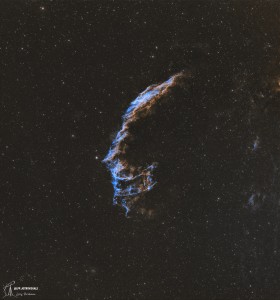

If you read the Astronomics website's description of the Tele Vue-85, you will notice at the bottom a small newspaper article that states that a small telescope in Antarctica can produce images rivaling the Hubble Space Telescope. You guessed it, the scope is a Tele Vue-85.
I did some Google searching and found a more detailed description of the Antarctic site and its incredible seeing:
http://www.phys.unsw.edu.au/nature/
Here is the original TV85 page for Astronomics:
http://www.astronomics.com/main/TeleVue_TV85_335_85mm_f_7_ivory_tube_black_trim_apoWXC3370.asp/catalog_name/Astronomics/category_name/JHU89WNHHN9B9NPP3HE9MCG961/product_id/485i
Michael Aaron McNeely
TeleVue Forum Moderator
Astromart.com
