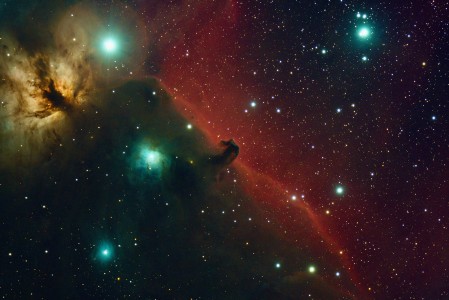
Reverse Shock Waves Light-up Supernova Remnants

When a star explodes as a supernova, it shines brightly for a few weeks or months before fading away. Yet the material blasted outward from the explosion still glows hundreds or thousands of years later. What powers such long-lived brilliance? In the case of Tycho's supernova (initially observed by astronomer Tycho Brahe in 1572), astronomers have discovered that a reverse shock wave races inward at Mach 1000 (1000 times the speed of sound) and heats the remnant, causing it to emit X-ray light. Without these reverse shock waves, we wouldn't be able to study ancient supernova remnants today.
Comments:
There are no comments yet.
Funding Member
