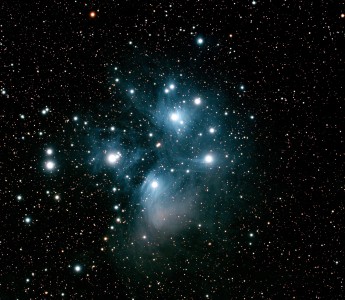

I took out my 15" f/4.9 DOB out last night. I have only owned it for a short time. This is my first DOB and I don't know a lot about observing with one. I have only had SCTs in the past.
I did a lot of looking at Messier objects and NGCs before Mars came up and the views were very good. Others checked it out and said that it had good looking optics. (Swayze Mirror)
When Mars came up I tried to look at it with my 31mm Nagler and I had a very large starburst looking bight spikes in a + pattern. I tried several other Naglers and a couple of Meade UWAs and basically saw the same thing. A filter suppressed them quite a lot. Is this what the diffusion spikes look like when looking through a DOB at a bright object? If not, what else could cause this. The scope was well collimated with a LaserMax collimator. It looked textbook perfect.
These spikes were not apparent at all until I tried to look at Mars. This is the first time I looked at Mars with it.
Any help or suggestions would be appreciated.
Floyd
[SIZE="Large"][/SIZE][COLOR="Blue"][/COLOR] Floyd Blue

Amateur Imager
