I may be adding some of these to my collection, including one that contains calcium carbonate. I can't find much info about them and would like to learn more. Any suggestions?
Carbonaceous chondrites
Started by laservet, 11/02/2009 01:50PM
Posted 11/02/2009 01:50PM
Opening Post
Posted 11/02/2009 08:54PM
| Edited 11/02/2009 08:56PM
#1

Hi Paul.
I think the most common, and readily available, is Allende. Followed by Murchison,
which is much less available, and of course 10x pricier.
I went on the hunt and got a couple chunks of Murchison earlier this year,
but it was hard to find and I haven't seen much since.
Apparently Tagish Lake (Canada) is a C.C. as well. I'm currently looking for that.
I just searched the Meteorical Bulletin and found 264 C.C.'s!
Most of them I've never heard of. Many were very small TKW's.
That would be a good place to explore though.
And the IMCA's Encyclopedia of Meteorites.
There's also a Meteorite Wiki site up and running now,
and it's growing very quickly. Good luck with your search.
Linton
Posted 11/09/2009 06:58PM
#2
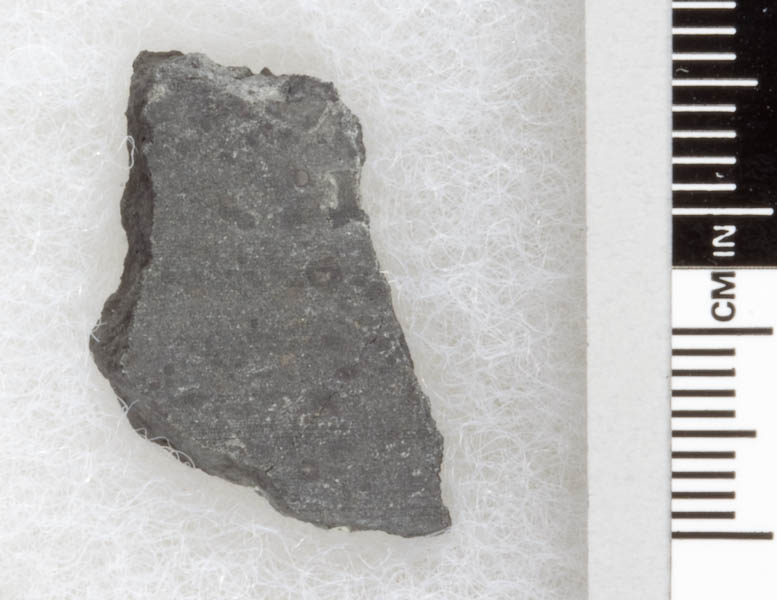
Orgueil, France
Observed fall May 14, 1864
Carbonaceous Chondrite CI1, 1g
These very fragile and friable meteorites are the most primitive in terms of solar elemental composition, have the highest volatile hydrocarbons, and the highest content of water (17-22% of weight). They are chondrites that have no chondrules.
There are only nine CI1 specimens in existence, five falls including Orgueil, and four found in Antarctica.
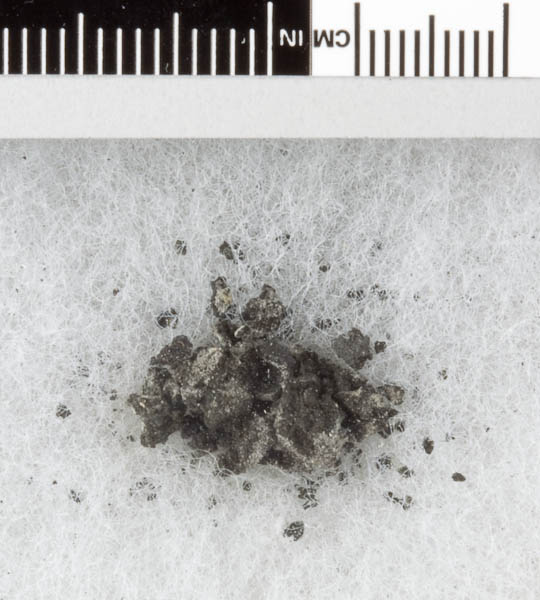
Observed fall May 14, 1864
Carbonaceous Chondrite CI1, 1g
These very fragile and friable meteorites are the most primitive in terms of solar elemental composition, have the highest volatile hydrocarbons, and the highest content of water (17-22% of weight). They are chondrites that have no chondrules.
There are only nine CI1 specimens in existence, five falls including Orgueil, and four found in Antarctica.
Attached Image:
Posted 11/09/2009 06:59PM
#3
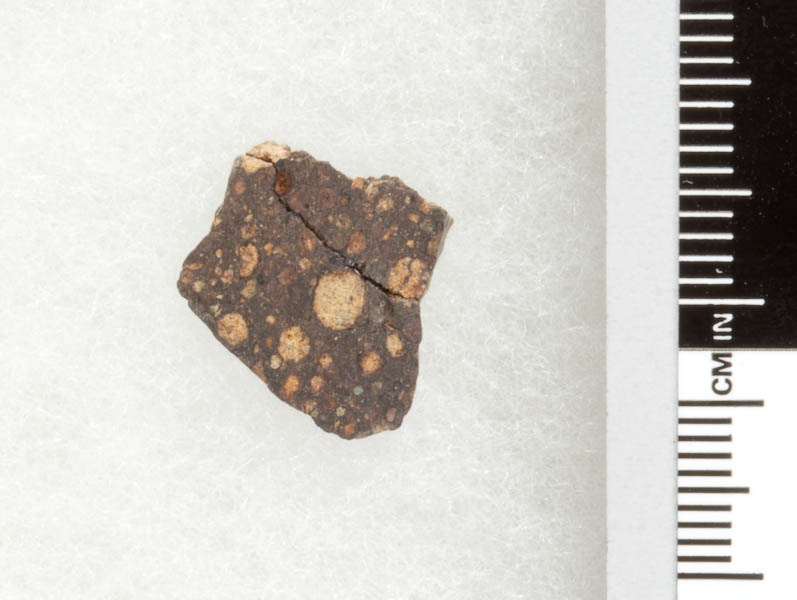
Murchison, Victoria, Australia
Observed fall September 28, 1969
Caronaceous Chondrite CM2, 12g
This meteorite contains 230 amino acids of extraterrestrial origin. Some feel it is of cometary origin, but it is a close spectral match for the asteroid 19 Fortuna.
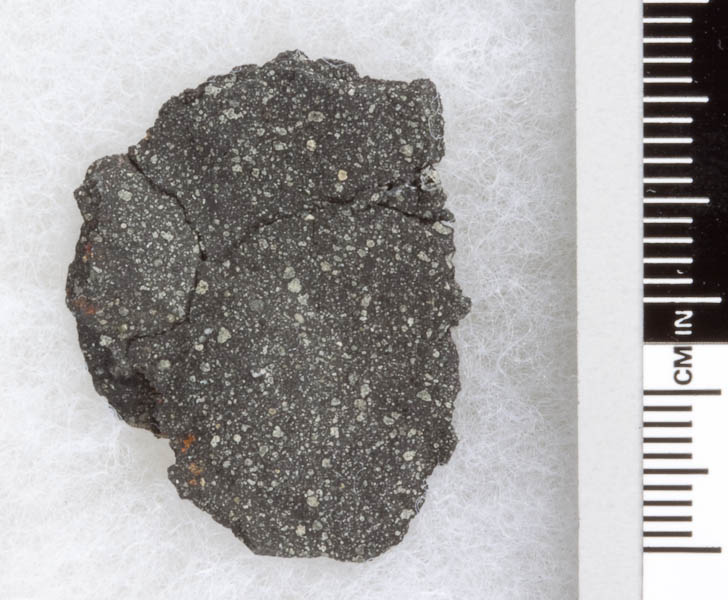
Observed fall September 28, 1969
Caronaceous Chondrite CM2, 12g
This meteorite contains 230 amino acids of extraterrestrial origin. Some feel it is of cometary origin, but it is a close spectral match for the asteroid 19 Fortuna.
Attached Image:
Posted 11/09/2009 07:00PM
#4
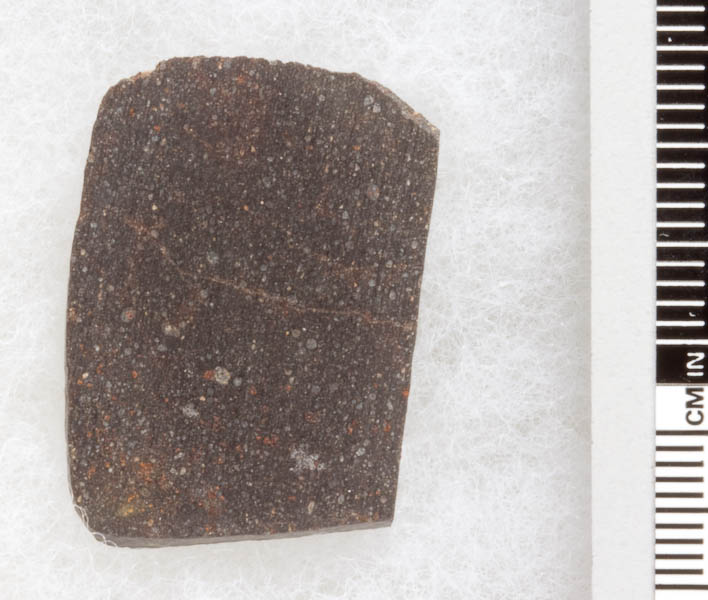
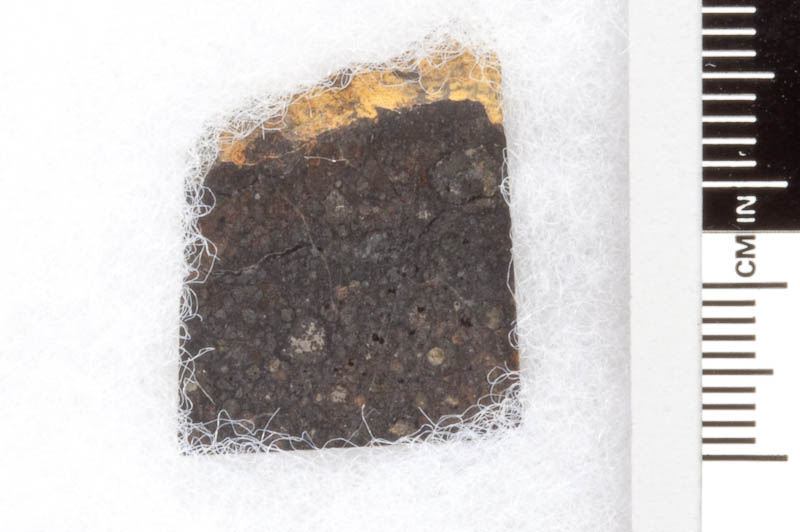
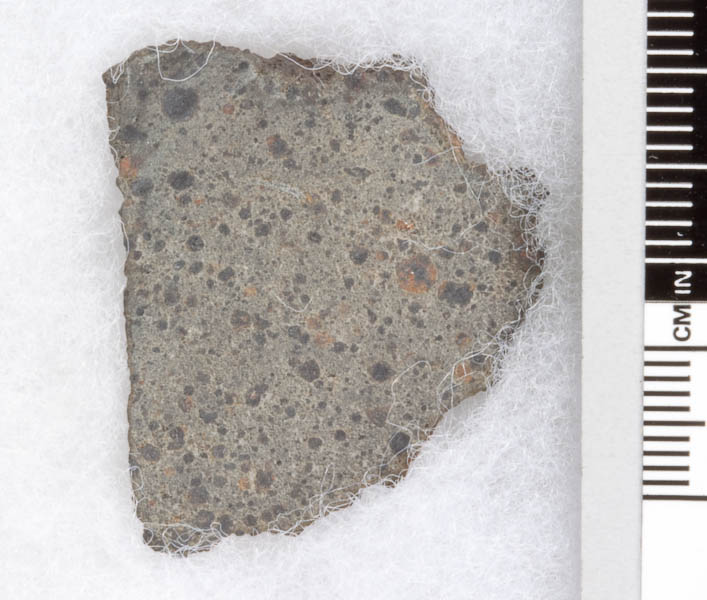
Allende, Chihuahua, Mexico, February 8, 1969
Carbonaceous Chondrite Type III CV3
Allende contains interstellar grains (star dust) and is believed to have formed during an explosion of a supernova/red giant star before the birth of our solar system over 4.6 billion years ago, making it one of the oldest known substances known to man.
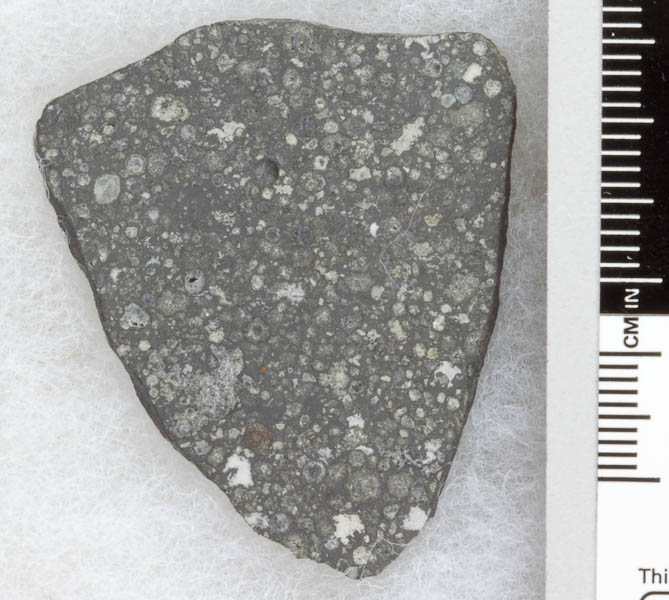
Carbonaceous Chondrite Type III CV3
Allende contains interstellar grains (star dust) and is believed to have formed during an explosion of a supernova/red giant star before the birth of our solar system over 4.6 billion years ago, making it one of the oldest known substances known to man.
Attached Image:
Funding Member
