Image of the day

Captured by
Lawrence Parchman

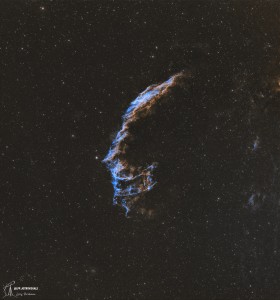
Eastern Veil Nebula (NGC 6992) - Wide View

My Account

New to Astromart?

Register an account...

Need Help?

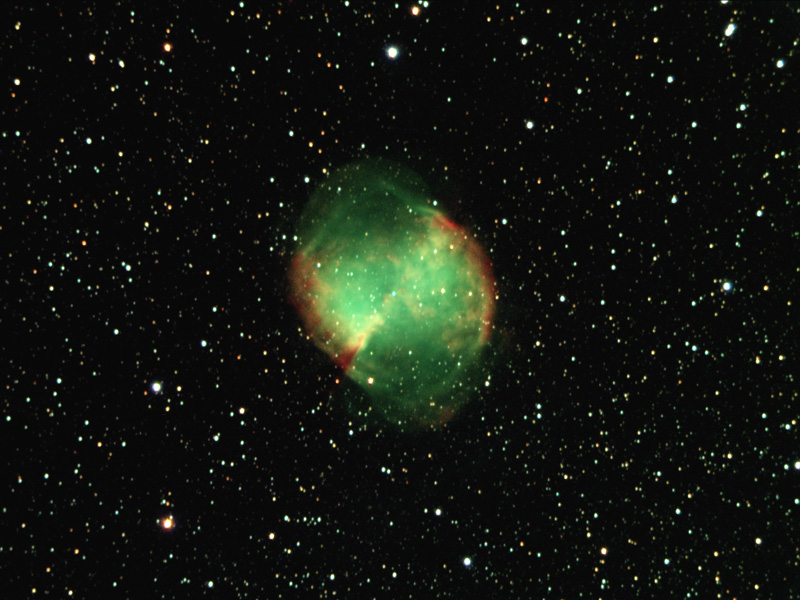
M27 this morning

Started by jsuro, 05/21/2004 12:02PM
Posted 05/21/2004 12:02PM | Edited 05/21/2004 08:18PM Opening Post
Hi All,

Another long night with pretty horrific seeing and gusty winds. Still, I was able to grab this shot just before dawn.

NexStar 11 GPS @ F6.35 - SBIG ST-2000XM - IDAS LPR filter - L30:R21:G15:B15 - 1X1 resolution - Images Plus - PhotoShop CS - Neat Image - Image reduced 50%

Best,

Jose Suro
Tierra Verde, Florida
Attached Image:

jsuro's attachment for post 16094
Posted 05/21/2004 12:39PM #1
SWEET!
Great job Jose!


Thanks for sharing, and clear skies!


Ivan
smile

Ivan Gastaldo 8)
Coconut Creek, FL

Ivan's Observatory
Lat 26N 16' 48" Long 80W 10' 48"
[COLOR="Red"]Personal Website:[/COLOR] http://www.ivangastaldo.com

CCD Imaging and Processing/Deep Sky - Moderator
I like to complain about everything - Moderator
Posted 05/23/2004 03:27PM #2
Jose,

Nice image, and a couple of people are right on track with the color comments. Let me toss a few comments in here.

With regards to processing, do *not* use DDP on the color channels. Because you almost always are going to get different S/N on the different colors, using DDP will end up distorting the color balance. Usually, depending on the CDD, it skews the green or the red. With the ST2000's QE response, it is going to skew the green, like it did in your image.

As for the VLT image, what they mean by "approximate true color" is really that it conveys "true information" about the nebula based on the spectral line emissions. They do not mean it approximates some standard of what the "true" color of the nebula is.

The subject of "true color" is really open to a lot of debate. Don Goldman's site goes into a lot of detail on this, and he does a good job. There was an article on this in S&T a number of years back, and Al Kelley's book "Astonomical Image Processing" covers the topic in detail. (http://www.willbell.com/aip/index.htm).

Al actually details a now commonly-used standard for color balance based on calibration with a G2V star (which is the same spectral class as our sun). The main problem with this technique is one of the points that Don Goldman elaborates on--some of the color line emissions from nebula really don't fit this model.

In the end, it sort of comes down to accepted standards and personal taste.

Keep up the good work--imaging is a lot of fun!

Jeff

Jeff 8O
