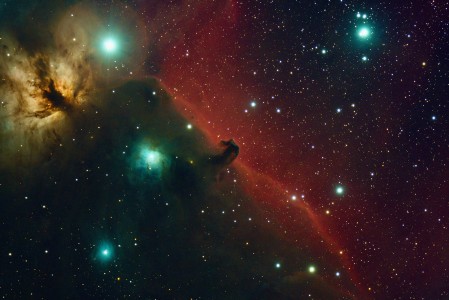
NASA's Kepler Telescope Jettisons Dust Cover, Sees First Light
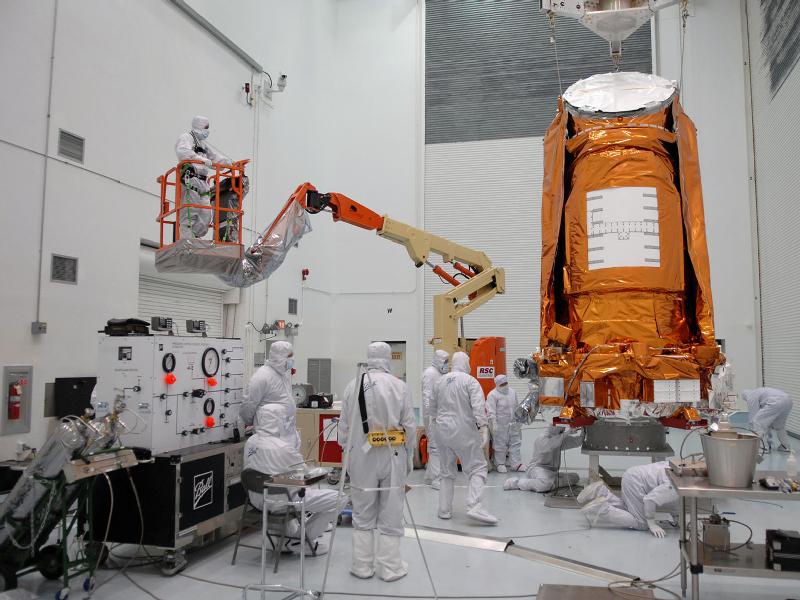
Engineers have successfully ejected the dust cover from NASA's Kepler telescope. With the cover off, starlight is entering the photometer and being imaged onto its focal plane. Kepler, which launched on March 6, 2009 from Cape Canaveral, FL, will spend three-and-a-half years staring at more than 100,000 stars in our Milky Way galaxy for signs of Earth-size planets.
Comments:
Anyone taking a pool on the predicted number of earth size planets Kepler will find? Will it be accurate enough to detect every earth size planet (and moons for that matter)of all the stars it surveys? If so, looking at the Sun, a probe might find a half dozen or more earth size planets depending on the criteria. Would all the terrestrial planets, and the larger moons count as "earth size"? Would all of them fit the criteria?
Ooompah Oompah Oompah Dee Doo
Funding Member