News
How easy can a mount get?

This week's review contest winner checks out a little Alt-Az cutie from William Optics...
Astronomers Trace the Evolution of the First Galaxies
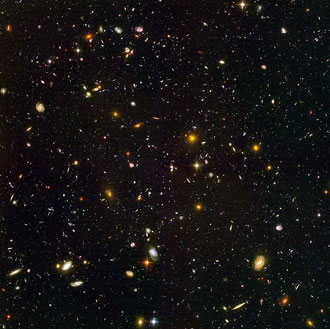
A systematic search for the first bright galaxies to form in the early universe has revealed a dramatic jump in the number of such galaxies around 13 billion years ago, but when they looked deeper they found far fewer. These observations of the earliest stages in the evolution of galaxies provide new evidence for the hierarchical theory of galaxy formation--the idea that large galaxies built up over time as smaller galaxies collided and merged.
A great little review about a great little product...

This week's review contest winner.
Pluto: The Other 95% of Astronomers Start to Speak Out
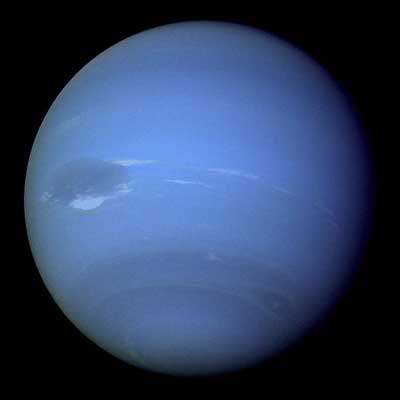
Only 474 members of the of the International Astronomical Union's (IAU) 10,000 members took part in the vote that stripped Pluto of its status as a planet. Now the other 95% of astronomers are starting to speak out and the consensus seems to be that the IAU's new definition of a planet is confusing -- especially the requirement that a planet must “clear its immediate neighborhood.” If taken literally, under that definition Neptune is at risk of losing its status as a planet too because it has been unable to clear it's orbit of Pluto... Oh dear.
Rover nears crater science trove
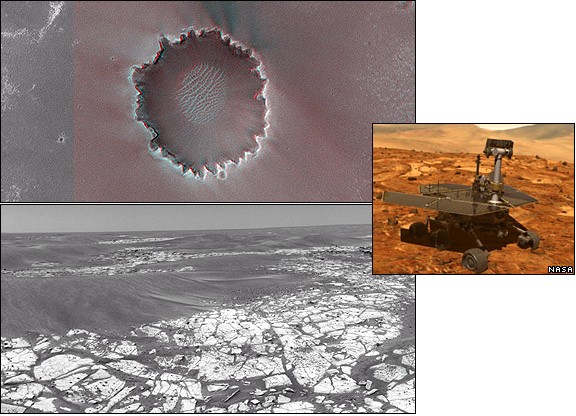
Nasa's robotic Mars rover Opportunity is closing in on what could be the richest scientific "treasure trove" of its mission so far.
Lunar Impact of SMART-1 Orbiter Observed from Ground-Based Telescope
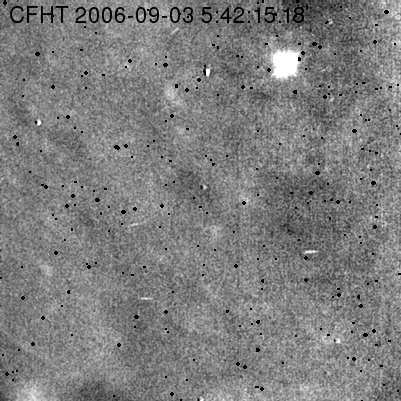
The impact of the European Space Agency (ESA) SMART-1 Lunar Orbiter onto the Lunar surface was captured by the ground-based Canada-France-Hawaii Telescope (CFHT), a 3.6-meter optical/infrared telescope located atop Mauna Kea in Hawaii. The the impact flash was captured by an infrared camera and was possibly caused by the release of a small amount of hydrazine fuel remaining on board.
A new view through an old 102

Though a newbie to astronomy, this week's review contest winner brings an experienced photographic eye to bear on the optics of a retired Meade refractor...
Astronomers Observe a SuperNova Explode in Real-Time
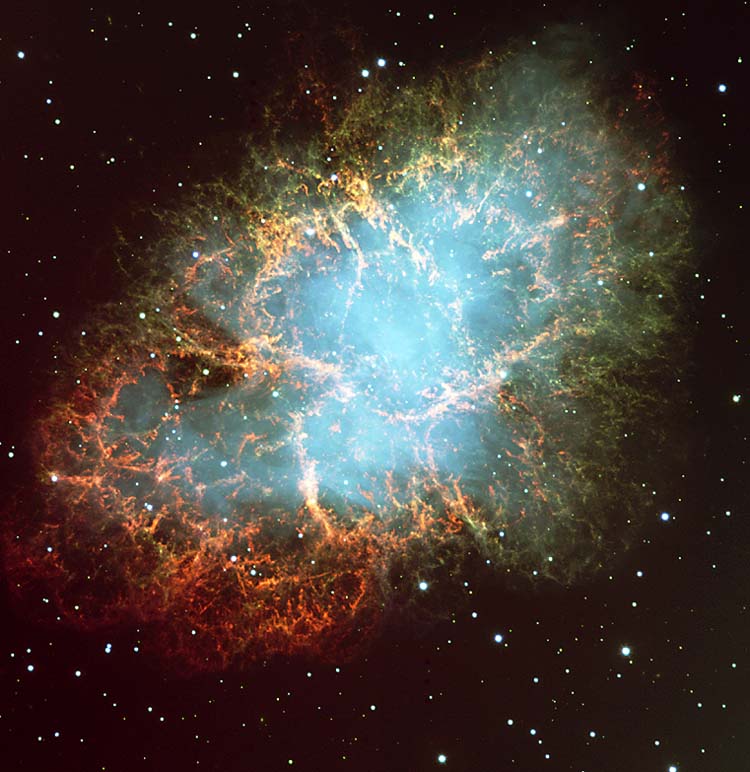
For the first time, a star has been observed in real-time as it goes supernova in a powerful explosion as the star ends its life. The resulting cosmic eruption briefly outshined an entire galaxy. Researchers used NASA's SWIFT satellite and a combination of orbiting and ground-based observatories to catch the supernova in the act of exploding.
NASA Finds Direct Proof of Dark Matter
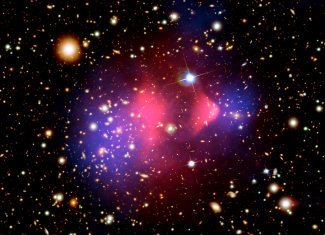
Dark matter and normal matter have been wrenched apart by the tremendous collision of two large clusters of galaxies. The discovery, using NASA's Chandra X-ray Observatory and other telescopes, gives direct evidence for the existence of dark matter.
Is Jupiter Really a Star? It Depends on How One Defines a Star
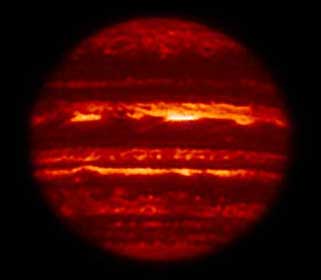
So this week we found out that poor little Pluto is really not a planet after all. I guess in the back of our minds we always did know that there was something just a little peculiar about Pluto. But maybe we should keep an eye on Jupiter, that other strange "planet" at the other extreme of the range. It turns out that Jupiter shares more similarities with the Sun than with the other planets. So, is Jupiter really a star? It depends on how we define a star.
Pluto Demoted
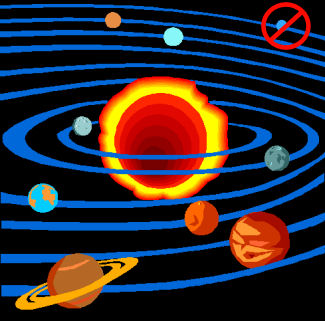
PRAGUE, Czech Republic (AP) -- Leading astronomers declared Thursday that Pluto is no longer a planet under historic new guidelines that downsize the solar system from nine planets to eight.
Nasa names new spacecraft 'Orion'
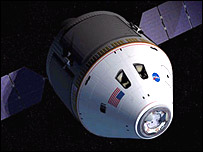
US space agency Nasa has named its new manned exploration craft Orion.
NASA Can't Find the Original Apollo 11 Lunar Landing Tapes

NASA can't locate the magnetic tapes that recorded the original Apollo 11 lunar landing video in 1969. The original tapes may be at the Goddard Space Flight Center, but no one knows for sure. If found, the tapes will be digitized and enhanced to prevent deterioration of these historical records.
An old favorite shows us a new trick...

This weeks review contest winner reveals a gem of a GEM - and when is a GEM not a GEM?
Ice geysers 'discovered on Mars'
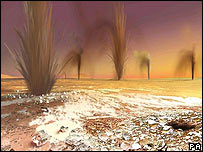
Geysers spewing sand and dust hundreds of feet into the air have been discovered on Mars, scientists say.
Funding Member
